- Log in to post comments
Add your spot – moving towards new maps
A cooperation project of Kronberger & Kronberger
and gold extra
Digital Spring Festival ARGEkultur
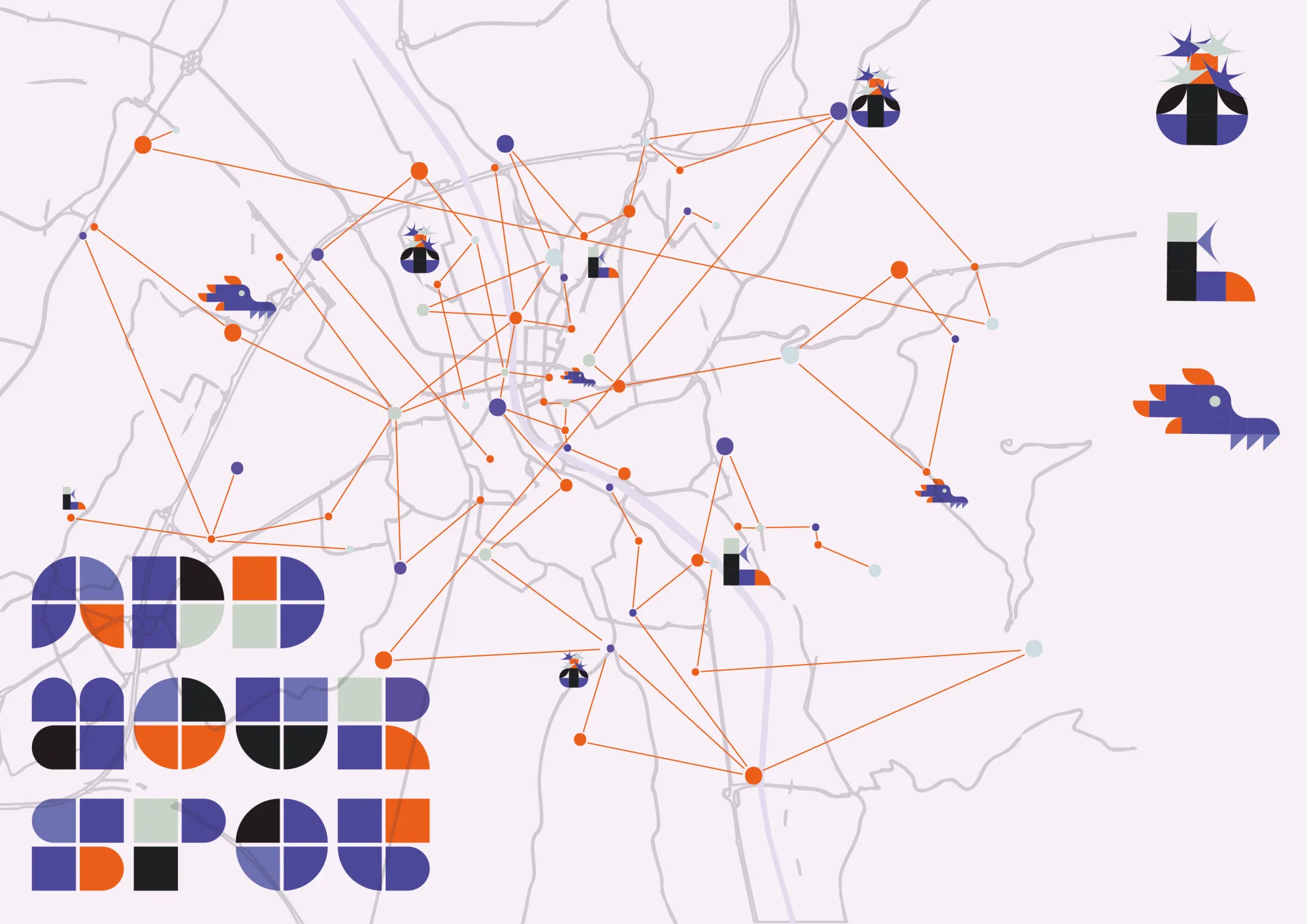
Which paths and places are marked on a map? Which ones do we actually walk? Which places does the city offer us, and which do we long for? What special places and memories define your, our city? And which ones are still waiting to be discovered? Let’s take a closer look together!
The collectives Kronberger&Kronberger and gold extra, together with people who live in or simply love Salzburg, are creating maps and city tours that reveal the everyday, the hidden, and the personal—experiences that feel more like home than like a postcard. Especially in a city like Salzburg, which is strongly shaped by tourist imagery, the question of spaces used by local residents is particularly pressing. As part of DIGITAL SPRING, the artists therefore set out on a search for traces together with interested citizens. Through exchange, we discover places that are loved, overlooked, forgotten, or not yet discovered at all: favorite spots, detours, blind spots—a city seen from many perspectives.
As part of the project, gold extra is creating augmented reality interventions in which personal places and experiences can be explored—both in the urban space and in the Artificial Museum by System Kollektiv, with whom gold extra collaborates.
At the conclusion of the collective artistic research, the artists invite everyone to a shared mapping session. Initial results, stories, and sketches will be presented and will serve as a starting point for conversation, opening up new perspectives, discussing places and spaces, and designing alternative city maps together. In this way, a new image of the city emerges—from memories, ideas, and jointly discovered places and paths—showing how Salzburg truly feels.
The project takes place as part of DIGITAL SPRING at ARGEkultur Salzburg
DIGITAL SPRING der ARGEkultur Salzburg
Kronberger und Kronberger
gold extra
Visit the cooperation project of Kronberger & Kronberger and gold extra -
> ADD YOUR SPOT RESEARCH
Which perspectives do Kronberger & Kronberger focus on?
-> MAP YOUR SPOT
Which perspectives are motivating gold extra's work?
-> SEEDS
Digital Spring Festival: WORLD WIDE WIKI
In 2026, Wikipedia celebrates its 25th anniversary. The encyclopedia, which went online on January 10, 2001, not only represents the digital and democratic spirit of optimism of the 1990s—it also reflects the major and often problematic developments of the digital world over the past quarter century. Nevertheless, with around 65 million articles and hundreds of thousands of active, anonymous, volunteer authors, Wikipedia remains an indispensable archive of free knowledge on the World Wide Web.
Yet this free knowledge is under acute threat. AI companies train their large language models using Wikipedia’s open-source texts, extracting knowledge for their proprietary products. At the same time, the culture war from the right is gaining momentum: questioning non-profit status, withdrawing funding, exposing the identities of authors.
Wikipedia is just one prominent example of the current state of free knowledge on the internet. Whether digital archives, social media platforms, or government websites: information is disappearing and being censored—often disguised as criticism of alleged “wokeness” and under the guise of free speech. Whether the internet truly never forgets, as was once claimed, has ultimately become a question of power, capital interests, and political influence.
How can digital art respond to this situation and raise awareness of it? And how can digital art find ways to preserve endangered knowledge and keep it accessible?
Together with the DIGITHALIA Festival at Schauspielhaus Graz and HAU 4—the digital venue of Hebbel am Ufer Berlin—ARGEkultur Salzburg issued an open call in autumn 2025 for digital art projects addressing this topic and ultimately selected six artists and collectives. From Salzburg, the participating artists are Nina Vasilchenko and a collaborative project by the collectives gold extra and Kronberger&Kronberger; from Graz, works by the artist groups SOAP and Das Planetenparty Prinzip; and from Berlin, artistic positions by eeefff and Chinedum Muotto.
The projects will be presented at the three venues starting March 18, 2026.
In cooperation with:
Kronberger & Kronberger
Artificial Museum
ARGEkultur Salzburg
Research project AR Communities
Biography:
Kronberger and Kronberger:
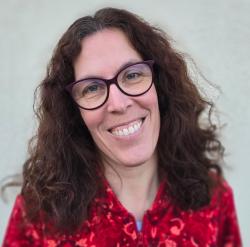
In addition to being “loving” sisters (haha), Alexandra and Philippa have also been working together in the cultural sector for a long time. They always joked that Philippa was the brain and Alexandra was the heart, but the tables have turned and you can now look forward to a concentrated dose of double heart and double brain. Alexandra does something with theater—whether as a performer, director, or author, she is heavily involved in the current theater scene, through and through. Philippa actually wanted to become a lawyer, but now finds much more pleasure in the arts. However, some things never change—settling scores is and remains Philis's domain. Two jack-of-all-trades, Kronberger&Kronberger are now experimenting as co-creators across the cultural vegetable patch.
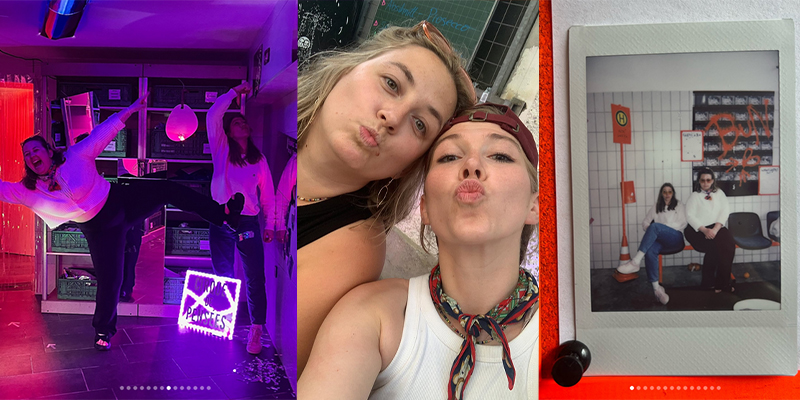
gold extra
gold extra is a group of artists working at the intersection of games, digital art, theater, film, and visual arts. They research the development of new formats, e.g., in the field of documentary computer games and robot theater, and explore games as communication platforms for socio-political issues.